
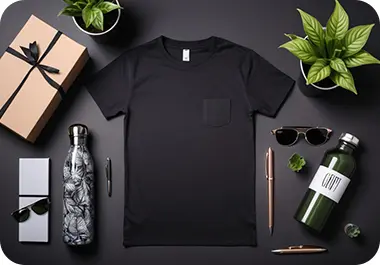

Corporate fashion is undergoing a major transformation as workplaces worldwide rethink their identity, values, and visual presence. With evolving employee expectations, cultural shifts, and technological advancements, 2025 has introduced a new era of corporate apparel trends that emphasize comfort, sustainability, inclusivity, and smart functionality. Today, office wear trends are not just about looking professional—they are about reinforcing brand identity, boosting employee confidence, and enhancing the overall workplace experience.
In this blog, we explore the most influential trends shaping corporate fashion in 2025 and how businesses can use branded clothing and company uniforms to elevate their branding strategies effectively.
1. Sustainability Takes Center Stage
Sustainability continues to dominate the conversation in fashion, and corporate clothing is no exception. In 2025, companies are increasingly opting for eco-conscious materials such as organic cotton, bamboo fiber, recycled polyester, and water-efficient fabrics.
Why It Matters:
- Enhances brand reputation as eco-friendly
- Appeals to environmentally aware employees and customers
- Reduces long-term waste and promotes ethical sourcing
Sustainable branded clothing not only reflects a company’s values but also helps reduce its carbon footprint making it a powerful addition to modern corporate fashion trends.
2. Smart Fabrics and Tech-Enabled Apparel
Technology is redefining how employees experience uniforms and workwear. From temperature-regulating materials to moisture-wicking fabrics, smart textiles are increasingly being integrated into company uniforms in 2025.
Popular Tech Features Include:
- Anti-odor and sweat-resistant technology
- UV protection for on-field or outdoor staff
- Stretch-fit ergonomic fabrics for comfort during long shifts
- Microchip-enabled badges integrated into apparel for access control
These innovative fabrics are particularly popular in industries like hospitality, healthcare, logistics, and corporate retail. The shift toward technologically enhanced office wear trends ensures both comfort and efficiency.
3. Minimalist and Timeless Aesthetic
The rise of global minimalism has significantly influenced corporate apparel trends in 2025. Companies are shifting away from overly branded or complex designs toward clean, timeless pieces that combine elegance with simplicity.
Key Characteristics:
- Solid colors, mostly neutrals
- Subtle logos and branding elements
- Sleek cuts and modern fits
- Lightweight, breathable materials
This approach makes branded clothing more versatile, allowing employees to feel stylish and professional without looking overly uniformed.
4. Customization Becomes a Must Have
One-size-fits-all is no longer an acceptable standard in corporate wear. Today’s workforce prefers clothing that respects individuality, body types, and department needs. As workplace cultures evolve, personalization is becoming a standard expectation.
Forms of Customization:
- Embroidery with names or department labels
- Custom color options
- Optional accessories like scarves, ties, and badges
- Tailored fits for different body shapes
Customizable company uniforms empower employees to feel confident and connected to the brand making personalization a major pillar of modern corporate fashion.
5. Athleisure-Inspired Corporate Wear
Comfort-driven dressing continues to influence office wear trends. Athleisure-inspired corporate apparel blends professionalism with ease and movement—ideal for hybrid working environments where employees shift between office, home, and field tasks.
Popular Athleisure Elements:
- Stretchable formal pants
- Breathable polo T-shirts
- Soft-knit blazers
- Sneakers accepted as formal wear
- Performance fabrics replacing traditional cotton
This shift demonstrates how workplace fashion is balancing comfort and professionalism without compromising brand appeal.
6. Inclusivity and Gender Neutral Designs
2025 marks a major milestone in inclusive corporate fashion. More brands are designing uniforms that support diverse body types, cultural backgrounds, and gender identities.
Emerging Inclusive Trends:
- Gender-neutral fits
- Adjustable sizing
- Cultural-friendly designs (optional long sleeves, hijab-compatible styles)
- Adaptive wear for employees with disabilities
Inclusive corporate apparel trends ensure that every employee feels welcomed, respected, and valued an essential part of modern employer branding.
7. Reimagined Color Palettes for Stronger Brand Identity
Color psychology is playing a bigger role than ever in corporate uniforms. Instead of sticking to traditional blues, blacks, and grays, companies are choosing custom color palettes that align with their branding strategy.
Trending Color Concepts:
- Earthy tones for eco-friendly brands
- Vibrant colors for creative industries
- Pastels for wellness and healthcare companies
- Deep jewel tones for luxury businesses
Modern branded clothing uses color as a storytelling element, making each uniform piece a visual extension of the brand.
8. Hybrid Workwear for the Flexible Workforce
With hybrid work becoming the norm, companies are designing apparel that suits both office and remote settings. The trend includes lightweight, comfortable options that employees can wear during virtual meetings, travel, and in-office days.
Hybrid Trends Include:
- Smart casual shirts
- Knit blazers
- Soft-formal trousers
- Branded hoodies and sweatshirts
This flexibility makes corporate fashion more relevant and practical in 2025’s dynamic workplace environment.
Final Thoughts
The landscape of corporate fashion is evolving rapidly, and businesses must embrace these emerging corporate apparel trends to stay relevant and competitive. Whether it’s sustainable materials, smart fabrics, or inclusive designs, the key to future-ready company uniforms lies in balancing style, comfort, and brand identity.
By investing in high-quality branded clothing and adapting to new office wear trends, companies can strengthen their workplace culture, improve employee morale, and create a powerful, cohesive brand image in 2025 and beyond.

Leave a Comment